



Your Cart is Empty
How to Choose the Right Protein Powder for Your Dietary Needs
Guide readers on selecting the best protein powder based on their specific dietary goals and nutritional requirements.
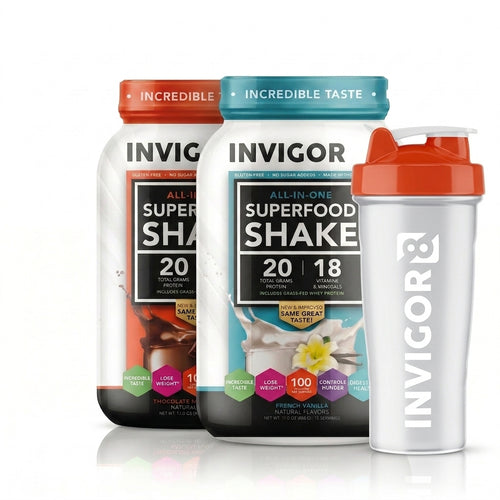
All-in-one superfood protein shake. Four flavors.
Your Cart is Empty
Feeling tired more often than you used to is not always about sleep or stress alone. Sometimes the real issue starts at the cellular level, where mitochondria work around the clock to convert what you eat into usable energy. When this process slows down, even simple daily tasks can start to feel harder than they should.
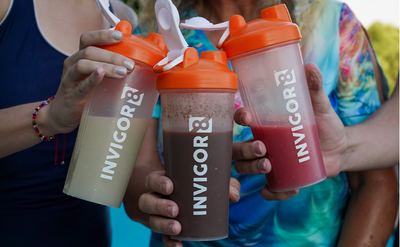


Mitochondria are the structures inside every cell responsible for converting nutrients into usable energy. Every process in the body, from muscle contraction to mental clarity, depends on how well these structures do their job. When they work efficiently, food is broken down into adenosine triphosphate, the fuel that powers everything from workout recovery to a clear, focused mind.
As mitochondria age or become damaged, cells produce less energy and generate more oxidative stress. This often shows up as persistent fatigue, slower recovery after physical activity, or difficulty concentrating, changes that build gradually and are easy to overlook until they become noticeable.
Natural cellular decline is a normal part of aging, but healthy lifestyle habits and the right nutritional support can help sustain how well the body's cells continue producing energy. Prioritizing this kind of support gives the body more resources to keep pace with daily demands as recovery windows lengthen over time.
Creatine is one of the most studied compounds in sports nutrition, known for its ability to support both physical output and cellular fuel supply. While many associate it strictly with muscle building, its function actually starts at the cellular level, where it helps regenerate the energy molecules cells depend on, particularly when it comes to who stands to benefit most:
Creatine is stored in muscle tissue as phosphocreatine, a compound that helps regenerate adenosine triphosphate during short bursts of intense effort. This rapid replenishment allows muscles to sustain output longer before fatigue sets in. For a deeper look at what exactly creatine does to your body, the mechanism traces back to this ATP regeneration process.
Beyond energy replenishment, creatine has been linked to improved strength output, faster recovery between sets, and modest gains in lean muscle mass when paired with resistance training. For a closer look at whether creatine is good for muscle growth, the effects trace back to increased water retention in muscle cells and support for protein synthesis. Over time, this combination contributes to better training consistency and performance.
Athletes and casual gym-goers alike may notice benefits from creatine, though vegetarians and older adults often see more pronounced changes due to naturally lower baseline levels. People new to resistance training may also experience quicker strength gains. Regardless of background, consistent use tends to matter more than any single workout timing strategy.
Supplements in this category work alongside the body's natural metabolic processes rather than replacing them. They combine nutrients that help cells convert food into usable fuel while reducing oxidative stress. The right combination can noticeably improve how steady your energy feels throughout the day, especially considering what these formulas typically target:
Ingredients like B vitamins, CoQ10, and certain amino acids play a direct role in helping mitochondria convert nutrients into energy. These compounds support enzymatic processes within cells, helping reduce the buildup of byproducts that contribute to fatigue. Together, they form the foundation of many mitochondrial support supplements on the market today.
Oxidative stress is a natural byproduct of energy production, but excessive amounts can damage mitochondria over time. Antioxidants such as vitamin C and vitamin E help neutralize this stress, protecting cells from premature decline. This protective layer supports long-term energy output rather than just short-term boosts.
Supplements work best when paired with foundational habits like proper hydration, balanced nutrition, and stress management. For a broader look at lifestyle strategies that complement supplementation, our guide on How To Boost Energy covers practical steps that support sustained vitality throughout the day.
Not all supplements are created equal, and selecting the right ones can make the difference between noticeable results and wasted effort. Ingredient quality, dosage accuracy, and consistency of use all play a role in whether a supplement actually supports the body's energy demands. Before adding anything new to your routine, it helps to understand what to look for:
Look for supplements that use researched forms of active ingredients, such as creatine monohydrate, rather than proprietary blends with unclear dosing. Third party testing and transparent labeling are strong indicators of a reliable product. Quality sourcing matters just as much as the ingredient list itself when it comes to consistent results.
Getting dosage right is essential for seeing real benefits without unnecessary strain on the body. For those specifically considering creatine, our breakdown on How Much Creatine Should You Take Every Day outlines loading and maintenance phases that most people can follow safely and effectively.
Even a well-formulated supplement will not deliver results if taken inconsistently. Pairing daily intake with a stable routine, whether that means a morning shake or a post-workout gummy, helps the body maintain steady levels over time. Consistency, more than timing, tends to be the deciding factor in long-term outcomes.
Sources:
They are formulated to help the body's cells produce and maintain energy more efficiently.
Most formulations are considered safe for healthy adults when taken as directed, though checking with a healthcare provider is always a good idea.
A nutrient dense diet can support mitochondrial health, though supplements may help fill gaps that food alone does not always cover.
Most people notice gradual changes over several weeks rather than immediate effects.
While decline becomes more noticeable with age, factors like stress and poor sleep can affect mitochondrial health at any age.
Many formulations are designed to support the energy demands placed on the body during and after physical activity.
We respect your privacy. We will not share your information.