Losing weight can feel confusing when advice changes from one source to the next. Most people simply want a clear way to eat well, stay energized, and see steady progress. The good news is that small, consistent habits around food, movement, and rest add up to results that last.
Sustainable weight loss happens when the body receives steady, balanced fuel while using slightly more energy than it takes in. Rapid drops on the scale often come from water and muscle loss, which tend to return quickly once old habits resume. A gradual pace of one to two pounds per week gives the body time to adapt and protect lean tissue.
At Invigor8, we have spent years studying how nutrition, appetite, and daily routines shape long-term results. Our supplements are formulated to fill common nutritional gaps, support lean muscle, and keep energy steady through busy days. That experience guides every product we make and every recommendation we share.
In this piece, we will be discussing how a weight loss program works, what nutrition and movement contribute, and how to choose a plan that fits your daily schedule, so you can build steady, realistic habits that last well beyond the first few weeks of effort and motivation.
Building A Complete Weight Loss Program Around Nutrition
Nutrition forms the base of any lasting weight loss effort, because food choices shape energy, hunger, and muscle retention every single day. A well-built plan balances calories, protein, and appetite control instead of relying on extreme restriction. The three areas below show how each piece fits together and why each one deserves attention:
Setting A Realistic Calorie Foundation
A modest daily calorie deficit of around 300 to 500 calories supports steady fat loss without leaving you drained. Start by estimating your maintenance intake, then reduce it gradually while keeping meals nutrient dense. A weight loss program built on this approach protects energy, mood, and muscle, making it easier to maintain for months.
Prioritizing Protein At Every Meal
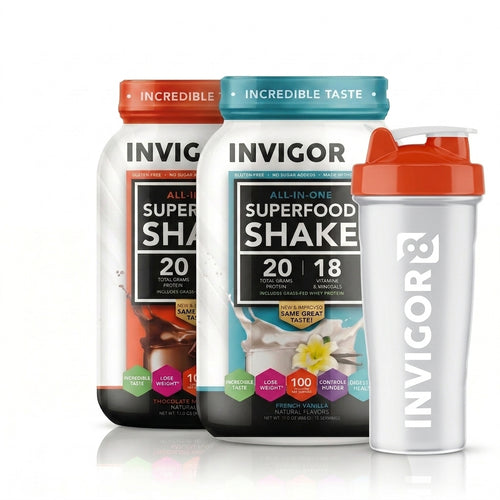
Protein keeps you full longer and helps preserve lean muscle while calories are reduced. Aim to include a solid source at each meal, such as eggs, fish, legumes, or Greek yogurt. When food prep gets hectic, our best protein powder for weight loss can fill the gap, adding quality protein to smoothies or oats.
Managing Hunger Between Meals
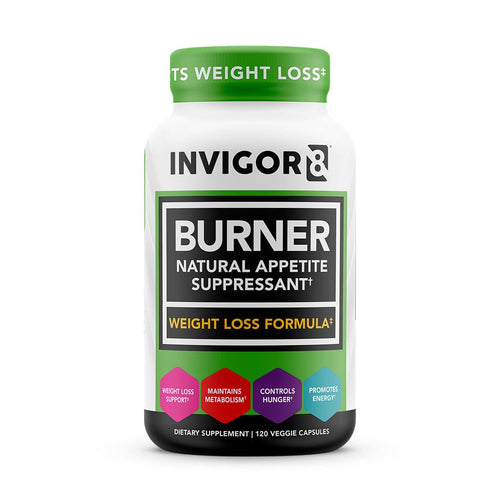
Cravings between meals often derail good intentions, so planning for them matters. Fiber-rich snacks, water, and consistent meal timing all help steady appetite. We also offer a natural appetite suppressant selection built to gently support fullness while you adjust to smaller portions, which makes sticking with the plan over time noticeably more comfortable.
Setting Up A Weight Loss Program At Home
Home offers the most flexible setting for building healthy habits, since your kitchen, schedule, and routines are already under your control. A simple structure for meals, tools, and tracking turns good intentions into repeatable daily actions. The three steps below explain how to organize your space and your week so progress feels manageable and consistent:
Structuring Your Daily Meals
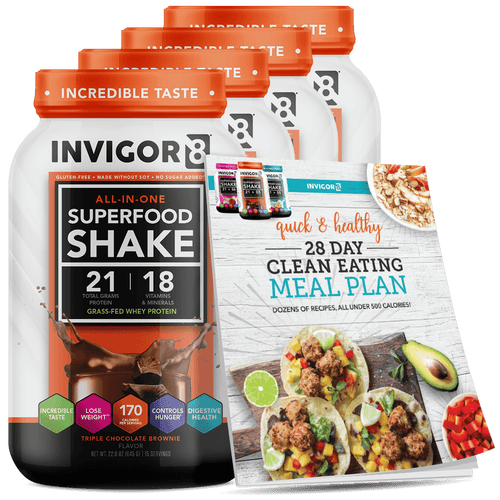
Plan three balanced meals and one or two snacks, each built around protein, vegetables, and a modest portion of whole grains. Prepping ingredients on weekends removes daily decision fatigue. On busy mornings, our best meal replacement shakes offer a portioned, nutrient-balanced option that keeps breakfast or lunch consistent without extra cooking or cleanup.
Using A Weight Loss Kit To Simplify Your Routine
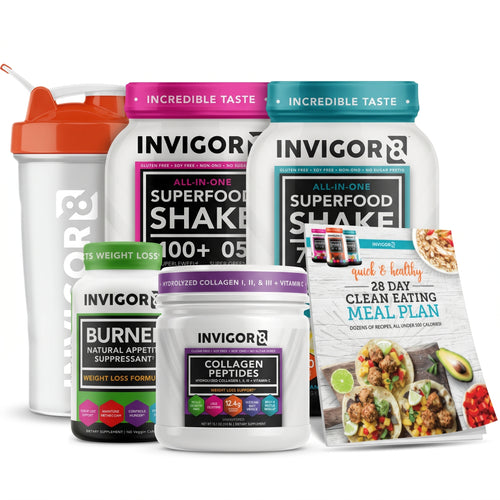
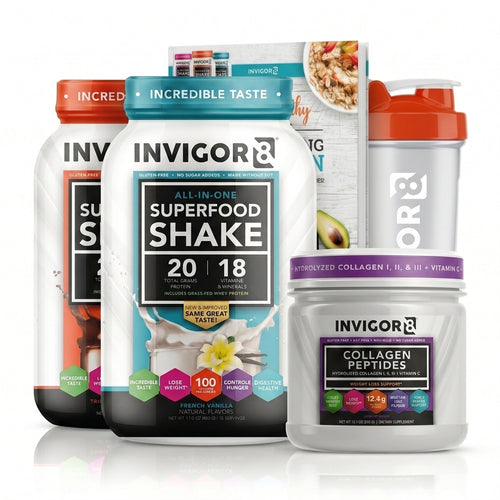
A weight loss program is easier to follow when your essentials sit together in one organized spot, including a shaker, measuring spoons, and your chosen supplements. Pairing them with the best meal replacement for weight loss gives you a ready option for rushed days, so your routine stays steady even when your schedule becomes unpredictable.
Tracking Progress Week To Week
Weigh yourself at the same time once or twice weekly, and record waist measurements every two weeks. Daily weight swings are normal, so focus on the overall trend instead. A short journal noting meals, sleep, and energy helps you spot patterns early and adjust your habits before small setbacks gradually grow into frustration.
Choosing The Best Weight Loss Program For Your Goals
Every person starts from a different place, so the right plan should reflect your habits, preferences, and long-term goals. Choosing well means looking honestly at your daily schedule, your current progress, and your motivation. The three areas below explain how to match a plan to your life and keep it working over time:
Matching Your Lifestyle And Schedule
Think about how many hours you work, how often you cook, and how much movement fits into your week. A plan that demands daily meal prep will fail for a busy parent or shift worker. Choose an approach with flexible meals, realistic exercise goals, and simple tools that adapt when your schedule changes.
Knowing When To Adjust Your Plan
Progress rarely moves in a straight line, and stalls are a normal part of the process. When the scale stops moving for several weeks, review portions, sleep, and activity before changing everything. Moving past the weight loss plateau usually takes small, practical adjustments that restart momentum without resorting to extreme measures or drastic cuts.
Staying Consistent Beyond The First Month
The first month builds the foundation, but the following months determine whether your results actually last. Keep meals simple, set small weekly goals, and celebrate non-scale wins such as better sleep, improved mood, or steadier energy. Consistency matters more than perfection, so a missed workout or off meal should never end your effort.
Sources:
Astbury, N. M., Piernas, C., Hartmann‐Boyce, J., Lapworth, S., Aveyard, P., & Jebb, S. A. (2019). A systematic review and meta‐analysis of the effectiveness of meal replacements for weight loss. Obesity Reviews, 20(4), 569–587. https://doi.org/10.1111/obr.12816
Hudson, J. L., Wang, Y., Bergia III, R. E., & Campbell, W. W. (2020). Protein Intake Greater than the RDA Differentially Influences Whole-Body Lean Mass Responses to Purposeful Catabolic and Anabolic Stressors: A Systematic Review and Meta-analysis. Advances in Nutrition, 11(3), 548–558. https://doi.org/10.1093/advances/nmz106
Nunes, C. L., Casanova, N., Francisco, R., Bosy-Westphal, A., Hopkins, M., Sardinha, L. B., & Silva, A. M. (2021). Does adaptive thermogenesis occur after weight loss in adults? A systematic review. British Journal of Nutrition, 127(3), 451–469. https://doi.org/10.1017/s0007114521001094
Frequently Asked Questions
Most people notice early changes in energy and how their clothes fit within a few weeks, while measurable fat loss builds steadily over several months.
A healthcare provider can review your health history, medications, and goals to confirm that your plan is safe and suited to your needs.
Poor sleep raises hunger hormones and lowers energy, which makes it harder to follow your plan and control cravings.
Exercise is not strictly required for weight loss, but regular movement helps preserve muscle, improves mood, and makes results easier to maintain.
Ongoing stress can increase appetite and emotional eating, so relaxation habits like walking or breathing exercises can support your progress.
Enjoying favorite foods in moderate portions can make a plan easier to stick with and lowers the urge to overeat later.
Get free recipes, fitness tips and crazy discounts delivered to your inbox!
We respect your privacy. We will not share your information.