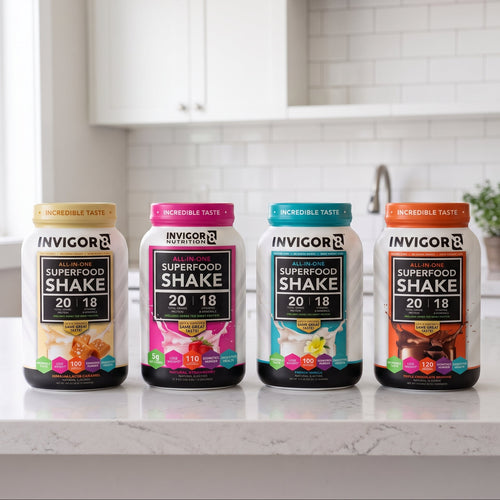
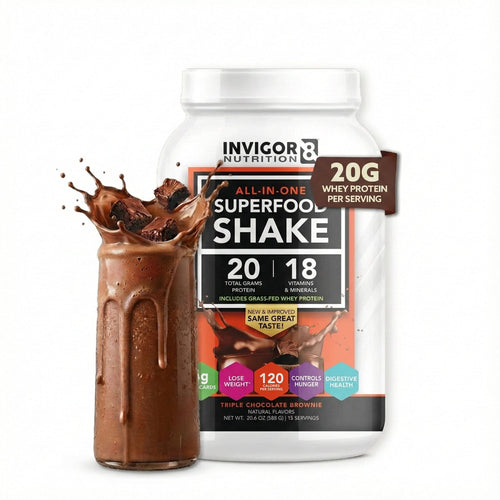
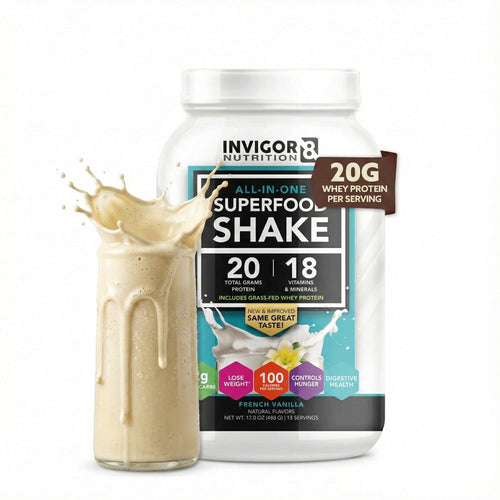
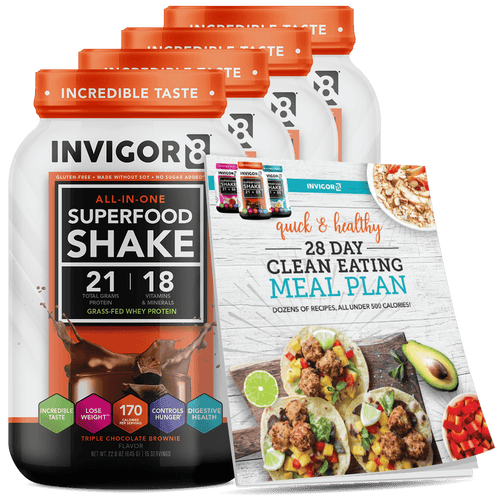
Meal replacement shakes have become a practical solution for people who want to eat well without the time commitment of preparing full meals. They fit into busy schedules, support a range of health goals, and have come a long way from the chalky, flavorless options that defined the category years ago. A well-formulated shake can deliver real nutrition in a format that is both convenient and satisfying.
What Makes The Best Meal Replacement Shakes Worth Your Money
Not all meal replacement shakes are built the same. The best meal replacement shakes go beyond cutting calories. They deliver a balanced mix of protein, healthy fats, fiber, and micronutrients that your body needs to function well throughout the day. If a shake leaves you hungry an hour later or reads like a chemistry textbook on the label, it is not doing its job.
Nutritional completeness is the baseline. A quality shake should provide enough macronutrients to stand in for a full meal without loading you up on artificial fillers or excessive sugar. That balance is what separates a genuinely useful product from one that only looks good on the shelf.
Many people also confuse meal replacements with standard protein shakes. Understanding the distinction helps you make a smarter choice, and the Protein Shake vs Meal Replacement Shake breakdown covers exactly where those differences lie in terms of nutrition and intended use.
Best Meal Replacement Shakes For Weight Loss That Actually Work
Losing weight sustainably comes down to more than simply eating less. A quality meal replacement shake is formulated to keep you full, support your metabolism, and help you stay consistent without feeling deprived. Here are three things that make them effective:
Controlled Calorie Intake
A good meal replacement gives you a defined calorie count per serving, making it easier to manage your daily intake. Rather than estimating portion sizes or tracking every ingredient, you get a structured option that fits predictably into your nutrition plan.
Protein That Keeps You Full
Protein is the key driver of satiety. A meal replacement shake for weight loss should deliver enough protein per serving to curb hunger between meals, reduce unnecessary snacking, and support lean muscle retention while you are in a calorie deficit.
Nutrient Density Over Empty Calories
Cutting calories should not mean cutting nutrition. The Best Meal Replacement for Weight Loss is one that supplies vitamins, minerals, and fiber alongside its macros, so your body gets what it needs even on a reduced-calorie day.
Best Tasting Meal Replacement Shakes You'll Actually Look Forward To
Taste is one of the most overlooked factors in choosing a meal replacement. If a shake does not taste good, consistency becomes a real challenge regardless of how strong the nutrition label looks. Here are three qualities that separate a great-tasting shake from one you will abandon after the first week:
No Chalky Aftertaste
Texture and finish matter as much as flavor. Many shakes on the market leave a gritty or chalky residue that makes them hard to finish. A well-formulated shake mixes smoothly and goes down clean, making it easier to stay on track daily.
Real, Recognizable Flavors
Artificial sweeteners and synthetic flavor compounds often produce an off-putting taste that lingers. The best tasting shakes use natural flavor sources that deliver a genuine, satisfying profile without the chemical aftertaste that makes some products feel more like medicine than a meal.
Versatility Across Occasions
A great-tasting shake should work at different points in your day. Whether blended with water, milk, or added to a smoothie, it should hold up well. If you are considering a morning routine built around shakes, Protein Shake for Breakfast offers practical guidance on making that work nutritionally.
How To Choose The Best Meal Replacement Shake For Your Goals
Choosing a meal replacement is a personal decision that depends on your lifestyle, dietary needs, and what you are trying to achieve. The right option for you is not necessarily the most popular one on the market. Here are three factors worth evaluating before you commit:
Ingredient Transparency
Always read the label before buying. A trustworthy shake lists every ingredient clearly and avoids proprietary blends that obscure exact amounts. If you are still weighing whether a shake can fully stand in for a meal, Can a Protein Shake Replace a Meal offers a useful breakdown to help you decide before committing to a product.
Caloric Fit For Your Daily Needs
Calorie count per serving should align with the meal it is replacing. Understanding how calories distribute across your day is a practical starting point, and How Many Calories in a Protein Shake gives useful context for evaluating that number against your overall nutrition targets.
Protein Source And Quality
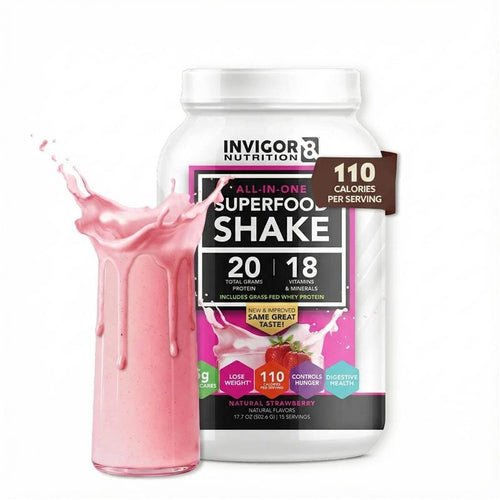
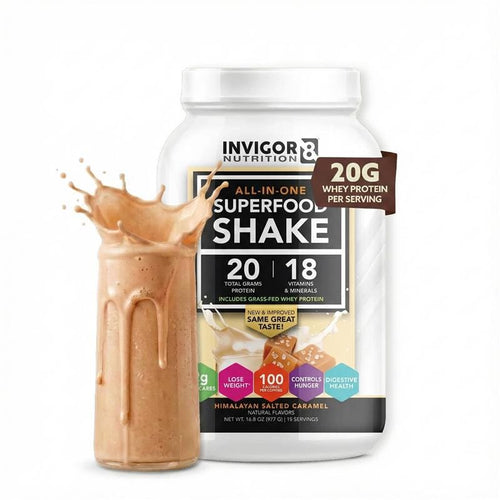
Not all protein is equal. Whey, casein, plant-based blends, and grass-fed sources each behave differently in terms of absorption and amino acid profile. Invigor8 uses grass-fed whey protein, which delivers a complete amino acid profile that supports both muscle maintenance and sustained energy throughout the day.
Sources:
Edwards‐Hampton, S. A., & Ard, J. (2024). The latest evidence and clinical guidelines for use of meal replacements in very‐low‐calorie diets or low‐calorie diets for the treatment of obesity. Diabetes, Obesity and Metabolism, 26(S4), 28–38. https://doi.org/10.1111/dom.15819
Ignot-Gutiérrez, A., Serena-Romero, G., Guajardo-Flores, D., Alvarado-Olivarez, M., Martínez, A. J., & Cruz-Huerta, E. (2024). Proteins and peptides from food sources with effect on satiety and their role as anti-obesity agents: A narrative review. Nutrients, 16(20), 3560. https://doi.org/10.3390/nu16203560
Noronha, J. C., Nishi, S. K., Khan, T. A., Blanco Mejia, S., Kendall, C. W. C., Kahleová, H., Rahelić, D., Salas-Salvadó, J., Leiter, L. A., Lean, M. E. J., & Sievenpiper, J. L. (2024). Weight management using meal replacements and cardiometabolic risk reduction in individuals with pre-diabetes and features of metabolic syndrome: A systematic review and meta-analysis of randomized controlled trials. Obesity Reviews, 25(7), e13751. https://doi.org/10.1111/obr.13751
Frequently Asked Questions
They can support long-term nutrition goals when used alongside whole foods rather than as a permanent substitute for every meal.
Most nutrition guidelines suggest replacing one to two meals daily while keeping at least one whole food meal in your routine.
They can be appropriate for older adults, particularly formulas with higher protein content that support muscle preservation with age.
They can contribute to calorie management without exercise, but pairing them with physical activity produces more consistent and sustainable results.
Those with diabetes should look for low-glycemic formulas and consult a healthcare provider before incorporating shakes into their regular diet.
Teenagers have specific nutritional demands for growth and development, so shakes designed for adults are generally not recommended for that age group.
Get free recipes, fitness tips and crazy discounts delivered to your inbox!
We respect your privacy. We will not share your information.