

Your Cart is Empty

One can undergo surgery for any number of reasons. Perhaps you’ve gone under to remove those pesky wisdom teeth. Or, maybe the operation is more severe, such as a major cancer surgery or organ transplant.
Regardless of the type of surgery, the body undergoes a significant amount of stress and trauma. Adequate nutrition, including protein intake, is essential for optimal recovery.
By consuming protein-rich foods during the recovery period, you can provide your body with the necessary nutrients to support tissue repair, immune function, wound healing and muscle recovery — just remember to consult with your healthcare provider first to address your specific needs.
Following a surgery, it’s normal to experience a fair amount of discomfort. Initially, surgical patients may feel stomach discomfort from general anesthesia and throat soreness from the tube placed in your windpipe that allows you to breathe during surgery. You may also feel confused or sick.
After your initial come-to, your post-surgery recovery is categorized into three phases:
Dietary proteins, like lean meat, legumes and dairy, contain amino acids that are the building blocks of your body’s tissues and critical to the recovery process. Accordingly, protein can help to:
Read up on proteins vs. amino acids for a better understanding of their role in wellness and recovery.
A recent study in pre- and post-surgical nutrition found that surgical patients who are malnourished are more likely to have lengthy hospital stays, higher remission rates, more complications and a higher risk of mortality.
As such, researchers and healthcare professionals recommend adding protein and other macronutrients to your diet both pre- and post-surgery.
When the body undergoes surgery, it enters a stress state. In this state, protein synthesis decreases and protein breakdown increases. This, coupled with a patient's inability to participate in physical activity following a surgery, can lead to accelerated muscle loss in as little as 48 hours of inactivity.
To preserve muscle mass and limit muscle loss, it’s recommended to eat a high-protein diet, which has been shown to increase protein synthesis by 40% and decrease protein breakdown by 20%.
In one study that observed the impact of protein supplementation after knee surgery, it was found that eating foods dense in essential amino acids helped improve leg strength, improve walking distance and enhance grip strength. In addition to protein, it’s also recommended to eat plenty of carbohydrates to maintain healthy insulin levels.
Seven to 10 days before surgery, it’s important to nourish your body with high-quality carbohydrate and protein sources to ensure that your body has enough energy stores to function within the stress state and support immune function. Specifically, it’s advised to eat 8 grams of carbs, like fruits, vegetables and whole grains, per kilogram of body weight leading up to surgery.
For protein, intakes of 1.2 to 2 grams of high-quality protein per kilogram of body weight are recommended. These include animal meats and proteins, as well as plant-based proteins like lentils, quinoa, black beans, soy, peas and rice.
After surgery, eating solid foods can be difficult, but protein intake is still important. In the first few hours, a high-quality meal replacementprotein shake can help support healing and recovery until whole foods are more easily tolerated.
During this time, 1.6 to 3.0 grams of protein per kilogram of body weight are recommended, with 20 to 40 grams of protein consumed per meal.
Eating protein in preparation for and following a surgery can help support your overall health and promote optimal healing and recovery after any operation.
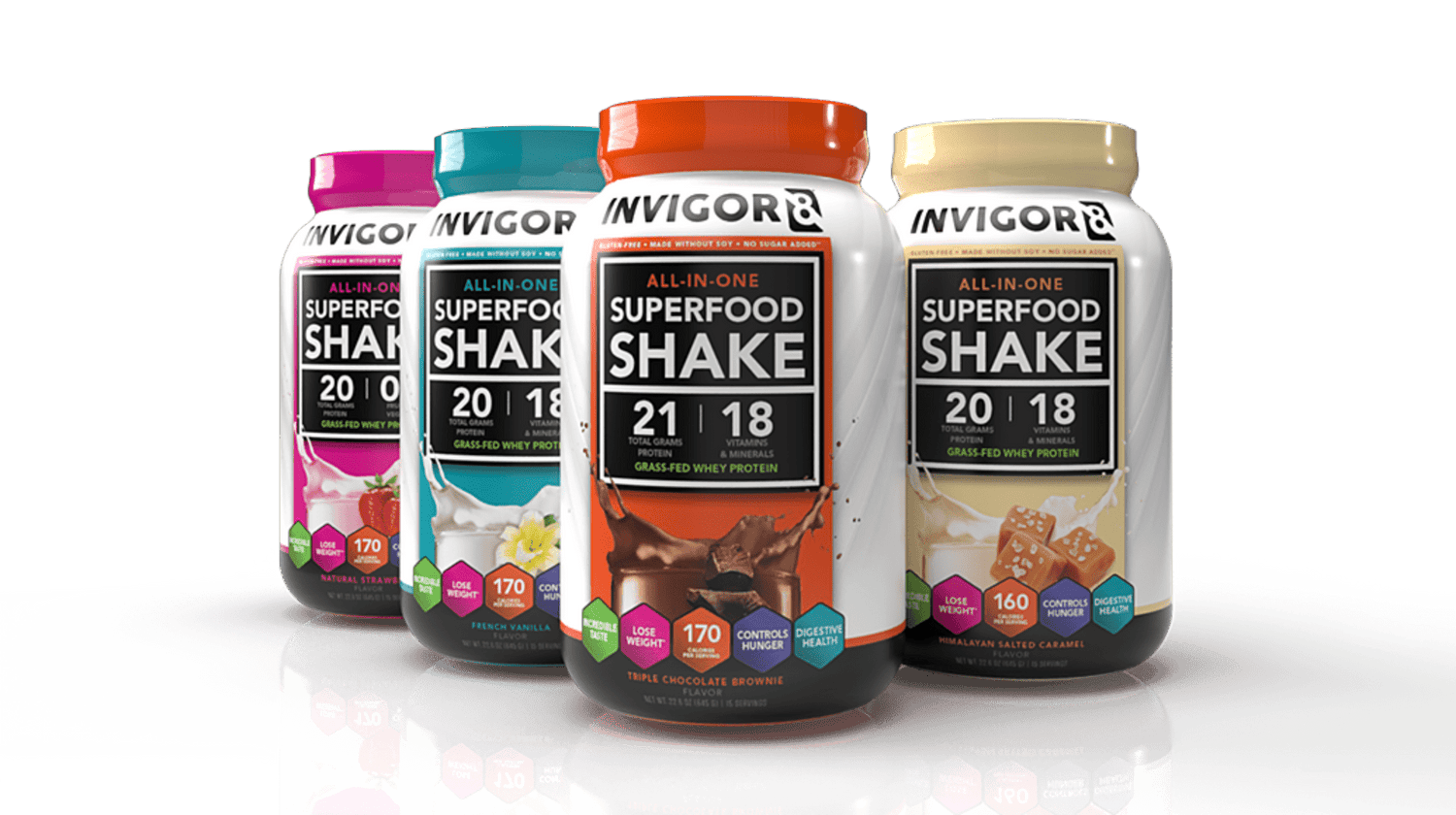
For a convenient and nutrient-packed organic superfood protein powder option, there’s the INVIGOR8 Superfood Shake. It’s natural, delicious and packed with 20 grams of protein per serving to support your post-surgery recovery.
Explore our variety of flavors and pair this shake with our unflavored collagen peptides powder for a complete protein-centered wellness routine.
Sources:

Mara Welty is a copywriter who specializes in health, wellness and CBD topics. With a background in journalism, she aims to deliver engaging, research-based content that builds trust and engages readers through informative storytelling.


Our weight-loss products all work great on their own, but they work even better together! Try our Superfood Shake in combination with our Collagen Peptides or Burner Shake to promote healthy weight loss.
What is supplement stacking? Learn how it works, common mistakes, and Invigor8's tips for stacking supplements safely. Shop now.
Buying 8 supplements separately adds up fast. Learn cost-effective supplement stacking strategies with Invigor8 to save money. Calculate your savings now.
Build a daily supplement routine you'll actually keep up with. Invigor8 shares a simple schedule that fits real life. Start your effortless wellness habit.


Our weight-loss products all work great on their own, but they work even better together! Try our Superfood Shake in combination with our Collagen Peptides or Burner Shake to promote healthy weight loss.


