


Your Cart is Empty


Key Takeaways:
- Goal First: A smart supplement routine starts with one clear objective, not a shelf full of random bottles.
- Synergy Matters: Some combinations affect absorption or safety, but combining products does not reliably outperform a single appropriate supplement.
- Less Is More: Beginners get better, safer results from a few proven supplements than from an overloaded routine.
Ever stood in front of your supplement shelf, protein powder, pre-workout, collagen, a multivitamin, maybe a fat burner, and wondered if any of it is actually working together, or just working against itself? That's the trap most people fall into with supplement stacking: more pills, more powders, more "optimization," but little understanding of how the pieces actually fit.
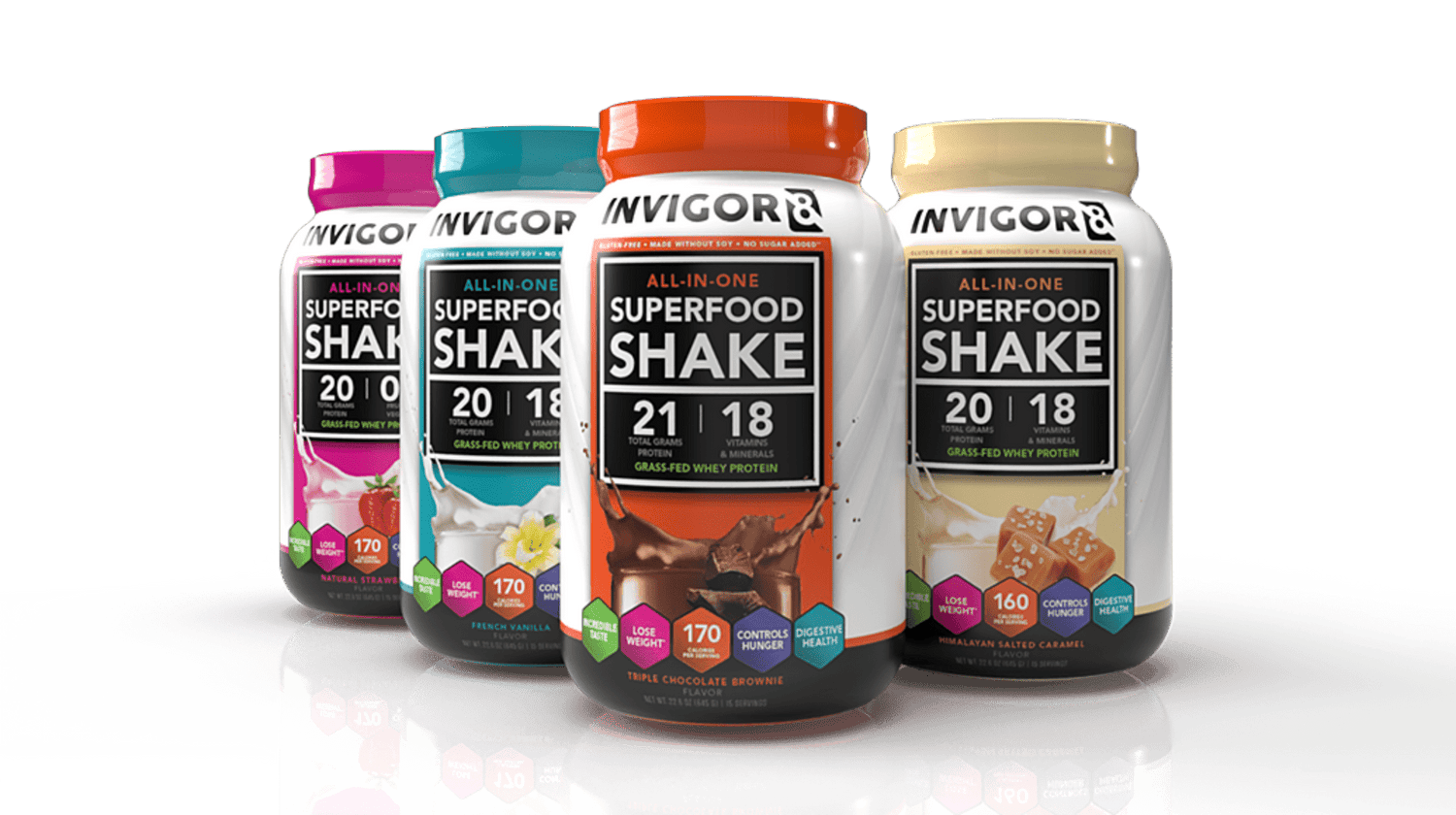
At Invigor8, we built our Superfood Shake around this exact problem. Instead of guessing which five products to combine, we formulated eight complexes, protein, probiotics, greens, fiber, and more, into one scoop, so you get the benefits of stacking without the trial and error.
In this piece, we'll cover what supplement stacking is, how to do it safely, how beginners should start, how stacking compares to all-in-one formulas, and the biggest mistakes to avoid.
What Is Supplement Stacking? Understanding The Basics
Supplement stacking means combining two or more supplements into a routine to support a specific goal. Instead of taking products at random, you pair them strategically. If you're just getting started, exploring supplement stacking for beginners can help you build a routine that's both safe and effective.
Supplement Stack Meaning
A supplement stack is simply a curated group of supplements chosen to work as a team. A weight-management routine might pair a protein shake with fiber, while a muscle-training routine might combine protein with creatine monohydrate.
Why People Stack Supplements
People combine supplements in hopes of supporting their goals, but additional benefits depend on the ingredients, doses, and individual needs. Some combinations can introduce risks.

How To Stack Supplements: A Step-by-Step Approach
Learning how to stack supplements comes down to planning with purpose. Start with your goal, then build around it rather than grabbing whatever's trending.
Step 1: Define One Clear Goal
Pick a single primary objective: weight management, muscle building, or daily wellness. Your goal determines which products belong in the routine and keeps you from overbuying.
Step 2: Build a Foundation
Begin by assessing your diet and nutritional needs. Use a protein supplement only if it helps meet those needs, and check the label rather than assuming comprehensive nutrient coverage. Supplements cannot replace a varied diet.
Step 3: Add Targeted Support
Layer in supplements that directly serve your goal, adding one piece at a time so you can tell what's actually helping. Collagen should not be presented as an established substitute for complete dietary protein for muscle recovery; one randomized trial in older men found that whey and pea supplementation increased muscle protein synthesis, whereas collagen did not.
Step 4: Time Your Doses
Take fat-soluble vitamins with meals and emphasize adequate daily protein rather than relying on precise timing. Taking stimulants earlier reduces, but does not eliminate, sleep concerns: one trial found sleep disruption after 400 mg caffeine even six hours before bedtime.
Supplement Stacking For Beginners: Safe & Strategic Principles
Supplement stacking for beginners should be simple, slow, and goal-driven. You don't need a dozen products; you need a few proven ones used correctly.
Start Small and Simple
Begin with a small number of supplements. There is no universally safe number to combine; some people need none, others need specific products. Have a clinician or pharmacist review the complete regimen. For a broader look at this, see how many supplements is too much before expanding your routine.
Introduce One at a Time
Add new supplements gradually so you can catch an immediate reaction early. Keep in mind that feeling well does not prove a combination is safe or effective. If you're unsure where your current routine stands, the am i taking too many supplements calculator is a useful place to start.
Read Labels and Mind the Dose
Check active ingredients and serving sizes to avoid doubling up on the same nutrient across products, including fortified foods. Avoid exceeding appropriate doses, but recognize that following the label does not eliminate interaction risks or establish effectiveness.

Stacking vs All in One Formulas: Which Is Better?
Stacking vs. all-in-one comes down to control versus convenience. Neither is universally better; the right choice depends on your experience level and goals.
The Case for Stacking
Separate single-ingredient products allow for more independent dose adjustments, letting you fine-tune a routine. It's useful for people with specific targets who want to adjust as their needs change.
The Case for All-in-One Formulas
Combined formulas may simplify a routine. Exploring an all in one supplement option, for example, may deliver protein and additional nutrients in one scoop, but check the label rather than assuming full-spectrum coverage.
How to Choose
Compare actual ingredients, doses, serving sizes, and costs rather than assuming one format is superior. Many people use a quality all-in-one shake as the base, then add a targeted extra or two.
Where People Go Wrong: 5 Supplement-Stacking Mistakes To Avoid
Here are five potential supplement-stacking mistakes to avoid.
Mistake 1: No Clear Goal
Taking supplements without a defined objective leads to a random, wasteful routine. Every product should earn its spot by serving your specific goal.
Mistake 2: Taking Too Many at Once
Overloading your routine increases cost, confusion, and the risk of interactions. More bottles rarely mean more results.
Mistake 3: Ignoring Ingredient Overlap
Stacking products with the same active ingredients can push you past safe limits without realizing it. Always check labels to avoid accidentally double-dosing.
Mistake 4: Poor Timing and Pairings
Calcium may interfere with iron absorption. If both are needed, ask about separating their doses, particularly when treating iron deficiency.
Mistake 5: Skipping Quality for Quantity
Prioritize transparent formulas with disclosed ingredients and doses over sheer volume. Do not use "clean," "natural," or "artificial-free" as substitutes for a safety assessment.
For those also thinking long-term, learning about anti aging supplements can help inform smarter, more future-focused stacking decisions.

Final Thoughts
Supplement stacking isn't about taking more; it's about taking the right things together, for the right reason. Start with one clear goal, assess your diet, add support slowly, and respect dosing and timing. Done well, a thoughtful routine can support your goals, especially when combined with medical guidance and products with verifiable nutritional content.
Frequently Asked Questions: What Is Supplement Stacking? How It Works And Where People Go Wrong
What are the risks of taking too many supplements?
Taking too many supplements can cause digestive upset and interactions. Excessive doses of some vitamins can cause toxicity; risks differ by vitamin, and medication interactions can occur even without toxic accumulation. Vitamin K, for example, can interact with warfarin. Focus on a few quality products that serve a clear goal.
Which supplements may require dose review or separation?
Some combinations may warrant separating doses or review rather than being universally dangerous: calcium and iron, large doses of zinc with copper, and iron with green tea (polyphenols can inhibit nonheme iron absorption). Avoiding cumulative stimulant exposure is also sensible.
Should I take supplements every day?
Frequency and duration should align with the supplement's purpose and supporting evidence. Do not assume that taking breaks makes an ineffective or risky product beneficial. Prioritize getting nutrients from food first whenever possible.
Is it okay to take 7 supplements a day?
There is no established safe number. Safety depends on ingredients, doses, medications, and health conditions, not simply product count or lack of overlap. If you're unsure, have a healthcare provider review your regimen.
Which supplements should I avoid?
Prioritize disclosed ingredients and doses, credible testing, and evidence-based claims. Avoid excessive doses and products with safety warnings or extreme claims. Note that U.S. supplements are regulated, but the FDA generally does not approve them for safety or effectiveness before marketing.
How many supplements can you safely stack at one time?
There is no universally safe number of supplements to combine. Some people need none; others need specific products. Independent testing can help assess manufacturing quality and contamination, but does not guarantee effectiveness or individual safety. When in doubt, check with a healthcare professional.

INVIGOR8 Superfood Shake (2 Pack)
...plus 28-Day Clean Eating Meal Plan ebook All-in-one superfood protein shake & meal replacement. Lose weight...
$99.90
Shop Now
Invigor8 Burner - Weight Loss Support Capsule
Burner is a natural, thermogenic weight-loss supplement designed to support healthy weight management while preserving...
$49.95
Shop Now