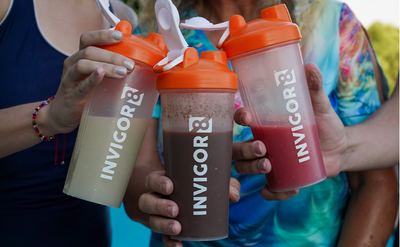
Growing older changes how the body responds to food, movement, and rest, and protein is one of the first things to fall out of balance without notice. Many older adults do not eat enough of it in a single sitting to trigger real muscle repair, even when their overall diet looks healthy on paper. A daily shake can help close that gap in a simple, consistent way.
Aging brings a natural decline in muscle mass, a process called sarcopenia that typically begins in the thirties and accelerates after sixty. Hormonal shifts, reduced physical activity, and slower protein synthesis all contribute to this gradual loss. For many older adults, this shows up as reduced strength, slower recovery, and a higher risk of falls.
Protein plays a central role in slowing this decline. As the body ages, it becomes less efficient at using dietary protein to repair and build muscle tissue, meaning older adults often need more protein per meal than younger adults to see the same benefit. This is one reason the best protein shake for seniors can be a practical addition to daily nutrition.
Understanding muscle loss with age helps explain why consistent protein intake, paired with movement, matters more as the years go on. Small daily habits tend to matter more than occasional effort.
Choosing The Right Protein Drinks For Seniors
Not every protein drink is built with older adults in mind. Ingredients, protein type, and digestibility all affect how well a shake supports strength and recovery later in life. Here is what to look for when narrowing down the options:
Protein Quality And Source
Whey and casein are among the most researched options for supporting muscle repair, thanks to their complete amino acid profiles. Plant-based blends can work too, provided they combine multiple sources to cover all essential amino acids. The best protein shake for seniors typically favors quality over quantity per serving.
Digestibility And Ingredient List
Shakes with fewer additives tend to sit better with sensitive digestive systems, which is common among older adults. Added sugars, artificial sweeteners, and thickeners can cause bloating or discomfort. Exploring protein drinks for seniors with cleaner formulations often makes daily use easier to sustain.
Balanced Nutrient Profile
A well-rounded shake offers more than protein alone. Added vitamins, minerals, and healthy fats can support energy levels and overall wellness. Checking the label for balanced nutrition, rather than protein content alone, helps identify a shake that fits broader dietary needs.
What Makes A Good Senior Nutrition Shake
Nutrition needs shift significantly after sixty, and a shake meant for general use will not always meet those needs. Bone density, joint support, and energy maintenance become bigger priorities alongside muscle preservation. A few core qualities separate an average shake from one built for this stage of life:
Adequate Protein Per Serving
Most older adults benefit from twenty five to thirty grams of protein per serving to properly stimulate muscle repair. Lower amounts may not provide enough of a trigger for muscle protein synthesis. This makes serving size an important detail to check before choosing a senior nutrition shake for regular use.
Support For Bone Health
Bone density naturally declines with age, making calcium, vitamin D, and collagen valuable additions to a daily shake. These nutrients work alongside protein to support overall skeletal strength. Learning more about collagen for bone health can clarify why this pairing matters for long-term mobility.
Low Sugar, High Function
A good shake should deliver nutrition without unnecessary added sugars or fillers. Older adults managing blood sugar or cardiovascular health benefit from cleaner formulations that prioritize function. The best protein shake for seniors tends to balance taste with a shorter, more purposeful ingredient list.
Finding A High Protein Shake For Elderly Adults
Convenience matters just as much as nutrition when choosing a daily shake, especially for those managing multiple health priorities. Ease of preparation, ingredient synergy, and long-term benefits all factor into a good decision. Here are a few considerations that can guide that search:
Ease Of Preparation And Use
A shake that mixes easily and requires no special equipment tends to fit better into daily routines. Many older adults prefer options that dissolve smoothly in water or milk without clumping. This kind of simplicity often determines whether a high protein shake for elderly use becomes a lasting habit or a forgotten product in the pantry.
Additional Anti-Aging Support
Some shakes go beyond muscle support by including ingredients tied to skin, joint, and cellular health. Antioxidants and specific vitamins can complement a protein base for broader wellness benefits. Looking into anti aging supplements alongside a shake routine can round out a more complete approach to healthy aging.
Strength And Recovery Boosters
Creatine has gained attention for its role in supporting strength and recovery, including among older adults. Research on benefits of creatine for women highlights its relevance beyond athletic performance. For many, the best protein shake for seniors becomes even more effective when paired with proven additions like this one.
Sources:
Han, M., Woo, K., & Kim, K. (2024). Association of protein intake with sarcopenia and related indicators among Korean older adults: A systematic review and meta-analysis. Nutrients, 16(24), 4350. https://doi.org/10.3390/nu16244350
Coelho-Junior, H. J., Calvani, R., Azzolino, D., Picca, A., Tosato, M., Landi, F., Cesari, M., & Marzetti, E. (2022). Protein intake and sarcopenia in older adults: A systematic review and meta-analysis. International Journal of Environmental Research and Public Health, 19(14), 8718. https://doi.org/10.3390/ijerph19148718
dos Santos, E. E. P., de Araújo, R. C., Candow, D. G., Forbes, S. C., Guijo, J. A., de Almeida Santana, C. C., Prado, W. L., & Botero, J. P. (2021). Efficacy of Creatine Supplementation Combined with Resistance Training on Muscle Strength and Muscle Mass in Older Females: A Systematic Review and Meta-Analysis. Nutrients, 13(11), 3757. https://doi.org/10.3390/nu13113757
Frequently Asked Questions
Most older adults benefit from 1.0 to 1.2 grams of protein per kilogram of body weight each day, though needs can vary based on activity level and health conditions.
Protein shakes work best as a supplement to meals rather than a full replacement, since whole foods provide fiber and nutrients shakes often lack.
Seniors with kidney conditions should consult a doctor before increasing protein intake, as excess protein can strain kidney function in some cases.
Many older adults find it helpful to drink a protein shake after physical activity or between meals to support steady energy and muscle repair.
Plant-based shakes can be effective if they combine multiple protein sources to provide a complete amino acid profile similar to whey.
Protein shakes can support weight management by promoting fullness and preserving lean muscle mass during periods of calorie reduction.
Get free recipes, fitness tips and crazy discounts delivered to your inbox!
We respect your privacy. We will not share your information.