



Your Cart is Empty
A clearer way to use this tool
Search for an ingredient, browse by function, or explore ingredients appearing on the reviewed INVIGOR8 labels. You can pin a few entries beside each other and return to the full label whenever the explanation raises another question. The decoder does not rank ingredients as universally good or bad or claim that a long list automatically makes a better product.
Start With One Ingredient You Want to Understand
Type a name from your label into the search field. The decoder searches common names and selected aliases, so a familiar term can still find an entry written in a more technical form. Category filters narrow the library to protein, fiber, fats, texture, sweeteners, cultures, enzymes, or other ingredients.
Open an entry to see its plain-language description and typical formulation role. An INVIGOR8 label badge means the ingredient was identified on one or more reviewed labels; it is not an endorsement or a statement that the amount was disclosed.
You can pin entries to compare them. This is helpful when you want to distinguish whey protein concentrate from whey protein isolate, or a fiber ingredient from a thickener. The comparison keeps definitions together without turning the exercise into a scorecard.
Read the Full Ingredient List Alongside the Decoder
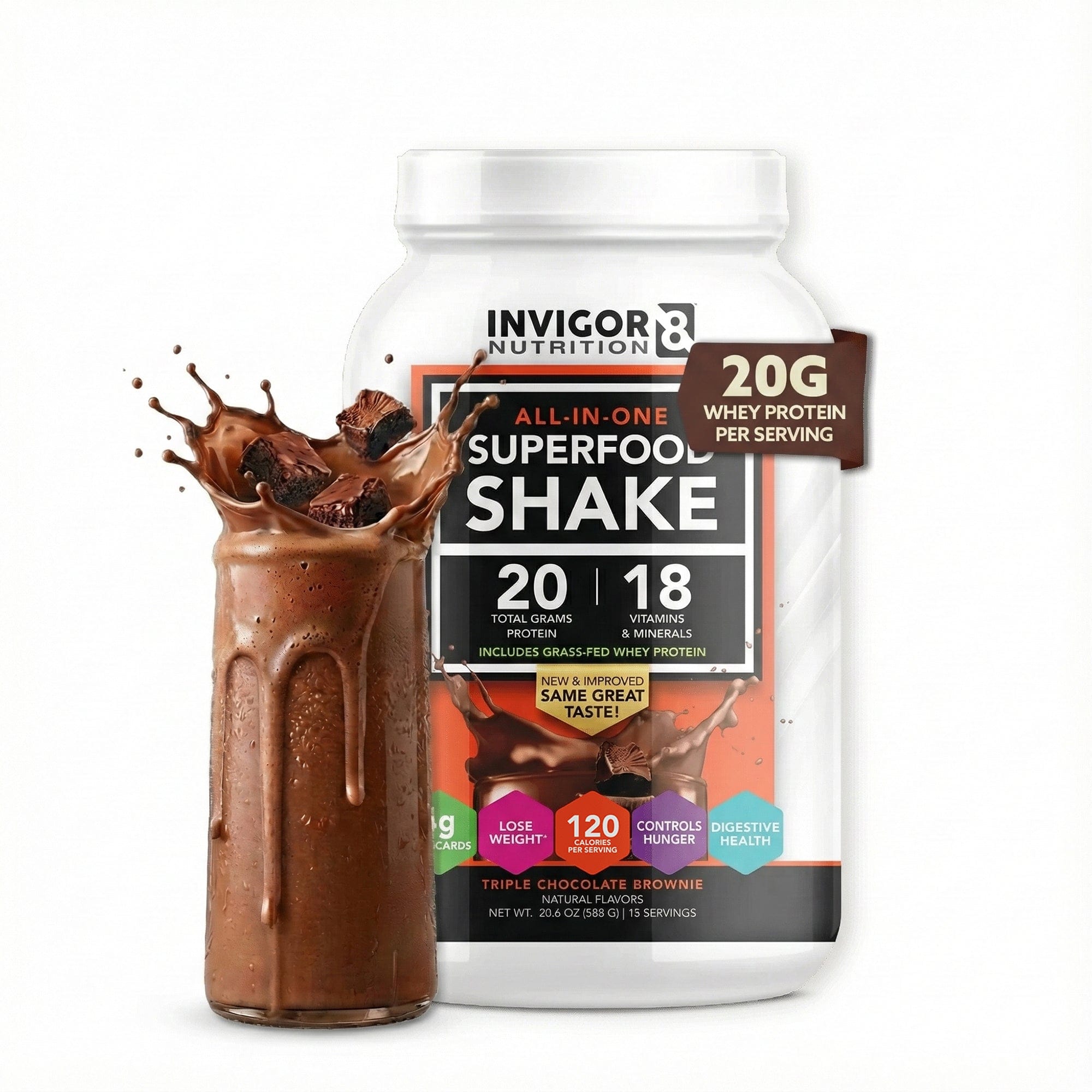
The ingredient list and the nutrition panel answer different questions. One identifies what is used in the product; the other describes listed nutrition for a defined serving. The decoder helps explain names, but the package remains the source for the product you are considering. [1]
Keep the flavor and version in view. Ingredient lists can differ even when products belong to the same range. A chocolate recipe, a fruit recipe, and a vanilla recipe do not necessarily contain every ingredient in the same form.
If your package differs from the label images linked here, use the package. You can still read a general ingredient definition, but do not assume that an ingredient appearing in the library is present in your own powder. A reference library is broader than any single formula.
Understand Protein Ingredients Without Assuming They Are Identical
Whey protein concentrate and whey protein isolate both come from milk. They are different ingredient categories and can have different compositions. The product's full label and allergen information matter more than a simplified claim that one name is always suitable for everyone.
The decoder describes these ingredients as protein sources. It does not infer the exact amount of each within a blend or use the name alone to declare a product lactose-free. If a dietary requirement is important, verify the manufacturer's specific information rather than guessing from the word isolate.
When comparing powders, check protein per labeled serving as well as the serving size. A longer protein blend name is not itself evidence that the finished product supplies more useful protein for your purpose. Keep the actual serving and your intended use in view.
Separate Fiber From Other Formula Ingredients
Inulin and fructooligosaccharides may appear in a fiber or prebiotic blend. The decoder explains those terms and points you back to the fiber amount on the nutrition panel. An ingredient name does not establish how much of it is in the serving.
Do not assume every ingredient associated with digestion does the same job. A fiber, a culture, and an enzyme belong to different categories. The library groups them separately so the explanation stays specific even when a marketing description puts them together.
If you are changing your diet or managing a digestive condition, ask an appropriate professional about personal suitability. The decoder cannot predict tolerance from an ingredient name. Its purpose is to make the label easier to understand before that decision.
Learn Why a Powder Includes Texture Ingredients
An ingredient can be included to affect how a powder mixes or how a prepared drink feels. Xanthan gum, for example, is commonly used as a thickening or stabilizing ingredient. Sunflower lecithin can help ingredients disperse and combine in a formulation. [1]
Those functions are different from a claim about disease prevention or a guaranteed nutrition outcome. The decoder uses formulation language so ordinary food functions are not inflated into broad wellness promises.
If texture is your practical concern, look at the complete recipe and preparation directions too. The amount of liquid, mixing method, and other ingredients can affect the drink. A single ingredient explanation cannot tell you exactly how every powder will taste or behave in your kitchen.
Keep Sweetener Names in Context
Stevia leaf extract appears on the reviewed INVIGOR8 labels as a sweetener ingredient. The decoder identifies that role without assuming that sweetness tells you the total carbohydrate or sugar content of a finished drink. Read the nutrition panel for those values. [2]
Natural flavors are another category that can look more informative than it actually is. The term does not provide a complete recipe or allow you to infer every flavoring component. If you need specific information for an allergy or another requirement, contact the manufacturer.
Taste preferences also belong in your decision. Some people enjoy one sweetener profile more than another. A neutral explanation helps you understand the label while leaving room for personal preference rather than presenting one flavor experience as universally superior.
Cultures and Enzymes Are Different Categories
The reviewed labels identify selected probiotic cultures and a digestive enzyme blend. Cultures are microorganisms; enzymes are proteins with particular catalytic functions. Their presence on a label does not make the two categories interchangeable. [2, 3]
Research about a probiotic depends on details such as the organism, strain, amount, product, and outcome. A general culture name cannot establish that a powder produces every benefit mentioned in probiotic research. The decoder keeps that limitation close to the definition.
Likewise, an enzyme name can indicate a typical substrate or function without demonstrating an individualized benefit from the finished product. Use the explanation to understand what the term refers to. Do not use it to diagnose a need for an enzyme or to self-treat a new symptom.
Treat Plant Ingredients as Named Components
Kale, spinach, broccoli, chlorella, and other plant ingredients may appear in a greens blend. The decoder identifies them as plant ingredients rather than translating their presence into an automatic number of vegetable servings or a promise about a disease outcome.
A product can contain a plant ingredient without matching the nutrition or portion of a whole food serving. If the amount is not disclosed, the decoder does not estimate it from the name of the blend. The nutrition panel remains the place to check listed nutrient contributions.
This makes the library useful for ordinary comparisons. You can understand why a plant name appears and still recognize what is unknown. A description should help you read the formula, not make the ingredient list seem more quantitative than it is.
Understand Blends Without Inventing Their Amounts
A blend name groups ingredients together. It may describe a general function, but it does not necessarily disclose how much of each ingredient appears in a serving. The decoder shows the names and roles that can be explained from the label without dividing an undisclosed blend into guessed quantities.
This matters when you compare a product with research on an isolated ingredient. The same name may appear in both places, yet the amount and preparation may differ. The library does not mark that as a confirmed research match simply because the ingredient is present.
If the amount is central to your decision, make it a question for the manufacturer or a qualified professional. Unknown is a valid answer when the source does not provide a value. A confident guess would make the comparison less useful.
Keep Dietary Requirements Separate From Ingredient Opinions
An ingredient can be common in foods and still be unsuitable for a particular person. Check the package's allergen statement and any manufacturer guidance relevant to your requirement. Do not use the decoder as a substitute for individualized allergy advice.
For the reviewed INVIGOR8 formula, whey ingredients are milk-derived and bovine colostrum is also listed. The page identifies these facts without declaring the product suitable for every diet. Exact label information takes priority over broad phrases such as clean or natural. [2]
The decoder also avoids a universal ingredients-to-avoid list. A useful shortlist comes from your own requirements, the actual formula, and the product's role. If the issue is a medical restriction rather than a preference, seek appropriate guidance before choosing a product.
Use the Library to Compare Products More Clearly
Pin two or three ingredients that you keep encountering, then read their roles together. You may find that the names describe different jobs rather than competing versions of the same thing. This can reduce confusion when one product emphasizes protein and another emphasizes its additional complexes.
Return to the full label after exploring the definitions. Check serving size, listed nutrition, and the ingredient information relevant to your purpose. The library is most useful when it improves that reading process rather than becoming another collection of isolated wellness facts.
If INVIGOR8 fits your requirements, explore the current product details and choose a flavor you would enjoy. If you still have a question, keep the exact label beside it. Understanding a product before buying is a useful outcome in its own right.
A few more answers
Frequently asked questions
What ingredients are in protein powder?
The answer depends on the formula and flavor. Protein sources, sweeteners, flavor ingredients, fats, fibers, and texture ingredients are common categories. Read your product's actual list and use the decoder for definitions rather than assuming every ingredient in the library appears in every powder.
Is a longer ingredient list better?
Not automatically. List length does not establish suitability, amounts, or demonstrated benefits. Compare the intended use, nutrition panel, dietary requirements, and any claims that matter to you. A short or long formula should still provide enough information for an informed decision.
Can the decoder identify ingredients to avoid?
It explains roles and relevant label questions, not a universal blacklist. An ingredient may be acceptable for one person and unsuitable for another. Use your dietary requirements and professional advice when needed, particularly for diagnosed allergies or medical restrictions.
Does whey isolate mean a powder is dairy-free?
No. Whey is milk-derived. Do not infer dairy-free suitability from the word isolate. Read the allergen information on the actual package and ask the manufacturer or a qualified professional if you need guidance about a specific requirement.
Does an INVIGOR8 badge prove an ingredient benefit?
No. The badge means the ingredient was identified on a reviewed product label. It does not establish a disclosed dose, effectiveness for a condition, or an individualized benefit. The definition and the product's claims should be interpreted separately.
Can I paste a whole label into the search?
The search is designed to find names and aliases in the curated library, not parse every ingredient in a complete label automatically. Search one name at a time or use the category filters. Ingredients outside the library receive no invented definition.
What if my package differs from the label shown?
Use your current package as the source for your product. Formulas and flavors can vary. The decoder can still explain a supported ingredient generally, but the presence badge should not override the actual list in front of you.
Sources and reference notes
[1] FDA types of food ingredients ↗[2] INVIGOR8 current ingredient panels ↗[3] NCCIH probiotic evidence and definitions ↗Product label images reviewed October 20, 2026. Generic food and recipe presets are illustrative, editable estimates. Check current package information and official travel rules. No personal health information is saved by these tools.
For educational planning only. Consult a qualified healthcare professional for individualized nutrition needs. The tools do not diagnose, treat, cure, or prevent disease. These statements have not been evaluated by the Food and Drug Administration.